

Diabetes
Understand the types, symptoms, possible complications and everyday steps that can support better blood sugar management.
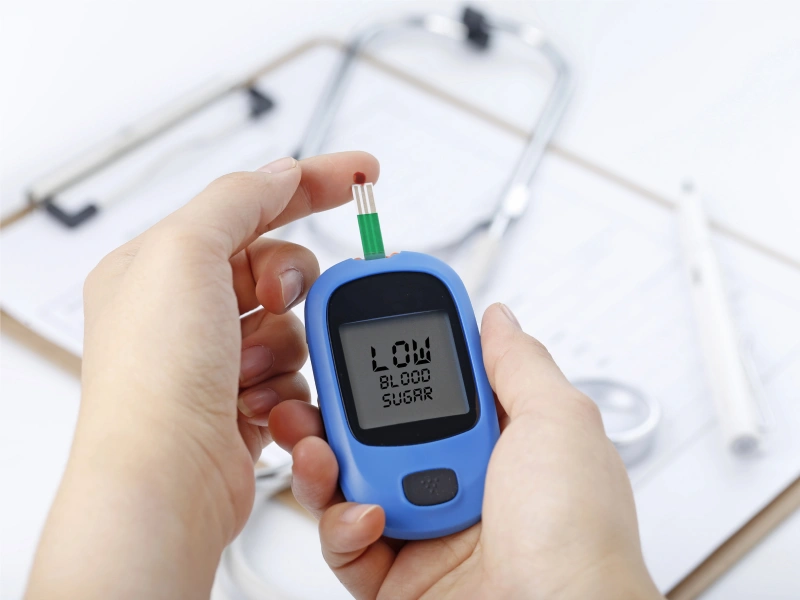 Blood glucose awareness
What is diabetes?
Diabetes mellitus is a collection of disorders that affect how the body utilizes glucose (blood sugar). Glucose is a vital source of energy for the muscles and tissues’ cells. It is also the primary source of fuel for the brain.
The primary cause of diabetes differs depending on the type. However, diabetes, regardless of the type, can result in an excess of sugar in the blood. Large amounts of sugar in the bloodstream may cause major health issues.
Diabetes types
Type 2 diabetes and type 1 diabetes both are chronic diabetic diseases. Diabetes is reversible including prediabetes and gestational diabetes. Prediabetes develops when blood sugar levels increase. However, the blood sugar levels are not high enough to be classified as diabetes.
Type 1 diabetes
Diabetes type 1 can strike at any age. However, it frequently begins in childhood or adolescence.
Type 2 diabetes
The more prevalent kind of diabetes, type 2, can occur at any age. People aged 40 and above are at risk of developing type 2 diabetes. However, the prevalence of type 2 diabetes in children is rising.
Gestational diabetes
Gestational diabetes is a condition which occurs during pregnancy. However, it is possible that it will go away after the baby is born.
Diabetes will result unless actions are made to avoid it.
Symptoms
Symptoms of diabetes are determined by your blood sugar level. Some people may not experience symptoms, especially if they have prediabetes, gestational diabetes, or type 2 diabetes. Symptoms of type 1 diabetes tend to appear quicker and are more severe.
Type 2 diabetes and type 1 diabetes symptoms include:
- Feeling thirstier than normal
- Urinating often
- Losing weight without making an effort
- Exhaustion and feebleness
- Being annoyed or experiencing negative emotions
- Having hazy eyesight
- Suffering with slow-healing sores
- Infections such as gum, skin, and vaginal infections are common
- The urine contains ketones which are a result of the breakdown of muscle and fat cells due to inadequate insulin levels
When should you see a doctor?
If you suspect that you or your kid has diabetes, the sooner an illness is identified, the sooner therapy may begin.
If you’ve been diagnosed with diabetes, following your diagnosis you will require close medical monitoring until your blood sugar stabilizes.
Complications of diabetes
Diabetes causes eye damage (diabetic retinopathy). The blood vessels in the eyes may get damaged. This might lead to blindness.
Eye damage
Diabetes causes eye damage (diabetic retinopathy). The blood vessels in the eyes may get damaged. This might lead to blindness.
Foot harm
Foot nerve injury or inadequate blood supply to the feet raises the incidence of various foot problems including diabetic foot.
Skin and mouth issues
Diabetes might make you more prone to skin disorders such as bacterial and fungal infections.
Hearing loss
Diabetes patients are at increased risk of hearing loss.
Alzheimer’s disease
Type 2 diabetes may raise the risk of dementia, such as Alzheimer’s disease.
Depression
Depression symptoms are frequent in patients with type 1 and type 2 diabetes.
Complications of gestational diabetes
Most mothers with gestational diabetes have healthy infants. Untreated or uncontrolled blood sugar levels, on the other hand, might have serious consequences.
Gestational diabetes can lead to a variety of complications in your baby, including:
Excessive expansion
Extra glucose can pass through the placenta. Extra glucose causes the baby’s pancreas to produce more insulin. This might result in your baby becoming excessively big. It can cause a difficult birth and, in some cases, need a C-section.
Low blood sugar levels
Low blood sugar (hypoglycemia) occurs in newborns born to moms who have gestational diabetes. This is due to excessive insulin production.
Type 2 diabetes later in life
Babies born to mothers who have gestational diabetes are more likely to develop obesity and type 2 diabetes later in life.
Untreated gestational diabetes can kill a baby before or shortly after birth.
Gestational diabetes can also cause
Preeclampsia: High blood pressure, an excess of protein in the urine, and swelling in the legs and feet are all symptoms of this illness.
Diabetes occurs throughout pregnancy. If you have gestational diabetes in one pregnancy, you are more likely to have it again in the next.
Prevention
Diabetes type 1 cannot be avoided. However, the healthy lifestyle choices that help treat prediabetes, type 2 diabetes, and gestational diabetes can also help prevent them:
Consume healthy foods
Choose foods that are lower in fat and calories and rich in fiber. Concentrate on fruits, veggies, and whole grains. Eat a variety of foods to avoid boredom.
Increase physical activity
On most days, aim for 30 minutes of moderate aerobic activity. Alternatively, aim for at least 150 minutes of moderate aerobic activity per week. Take a daily brisk walk, for example. If you are unable to squeeze in a long workout, divide it into short sessions throughout the day.
Manage weight
If you are overweight, decreasing even 7% of your body weight can reduce your chance of developing diabetes. To maintain a healthy weight, make long-term modifications to your food and activity habits. Remember the advantages of decreasing weight.
Diabetes risk can be reduced by losing 14 pounds (6.4 kilograms).
Do not attempt to lose weight while pregnant. Consult your provider about how much weight you should gain during pregnancy.
Treatment
Drugs such as Metformin (Glumetza, Fortamet, and other diabetic medications) used orally may help manage type 2 diabetes. However, healthy lifestyle choices are critical. It is recommended to get your blood sugar levels tested annually if you have prediabetes, to make sure that you haven’t developed type 2 diabetes.
Book an appointment